Usage Guide
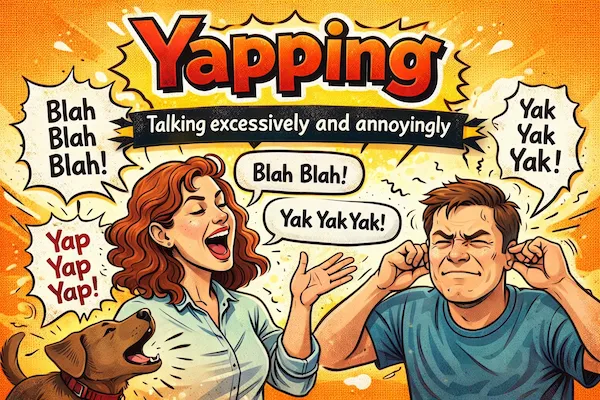
Stop Yapping! Here’s How to Use This Viral Slang the Right Way
This social-media-slang usage guide explains the meaning of “yapping,” where it comes from, and how Gen Z uses it online. Learn when the term sounds playful...
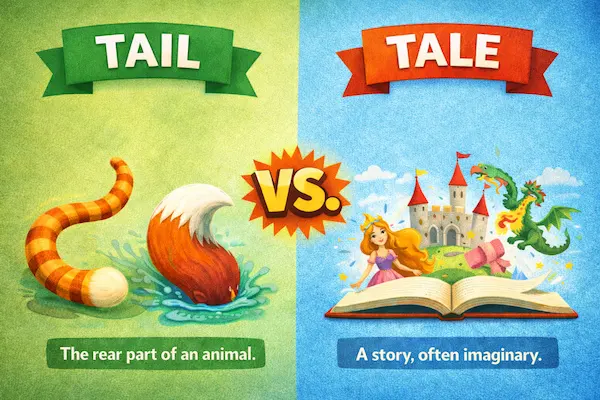
Tail vs. Tale: Why Your Dog’s Rear End Isn't a Fictional Story!
This guide explains the homophones tail and tale, showing why one refers to an animal’s appendage and the other to a story. Learn the “E for Epic” memory ...
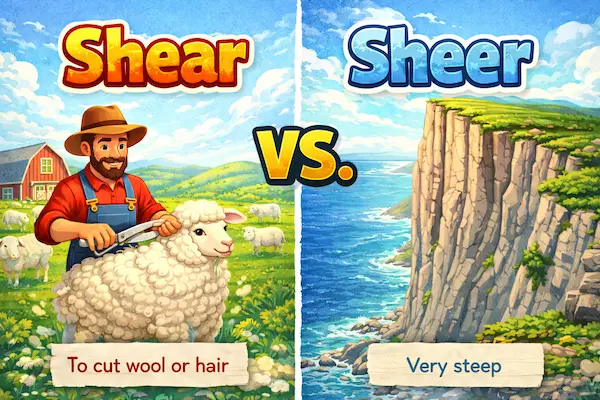
Shear vs. Sheer: Are You Cutting Wool or Is the Cliff Just Steep?
This guide explains the homophones shear and sheer with clear definitions and examples. Learn why shear means cutting and sheer describes thinness, intensity, o...
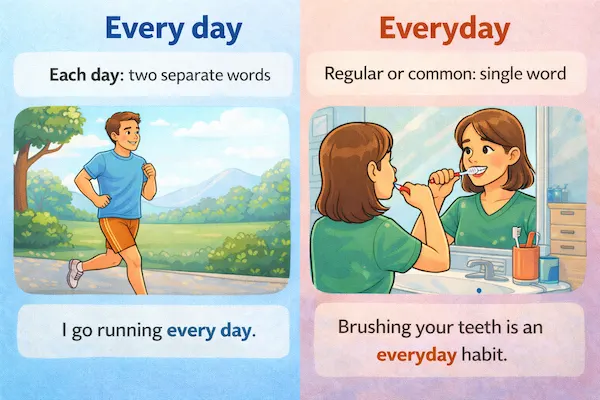
Every day vs. Everyday: The Space That Changes Your Lifestyle!
This confusing-words guide explains the difference between every day and everyday. Learn how spacing changes meaning, when to use each form, and how to tell fre...
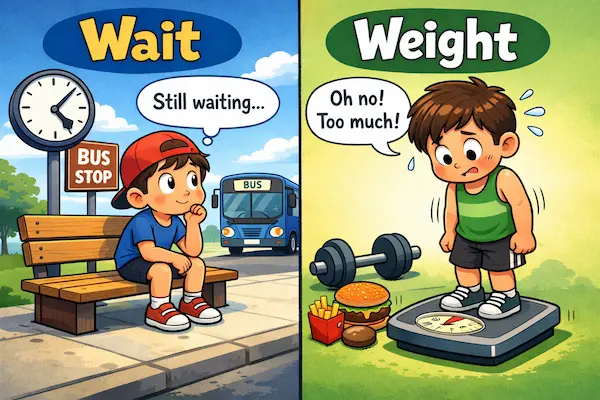
Wait vs. Weight: Staying Behind vs. How Much You Scale
Do you wait for results or check your weight on a scale? These homophones sound the same but have completely different meanings. This guide explains the grammar...