What is "Cloud" (Clout)? The Fight for Online Popularity
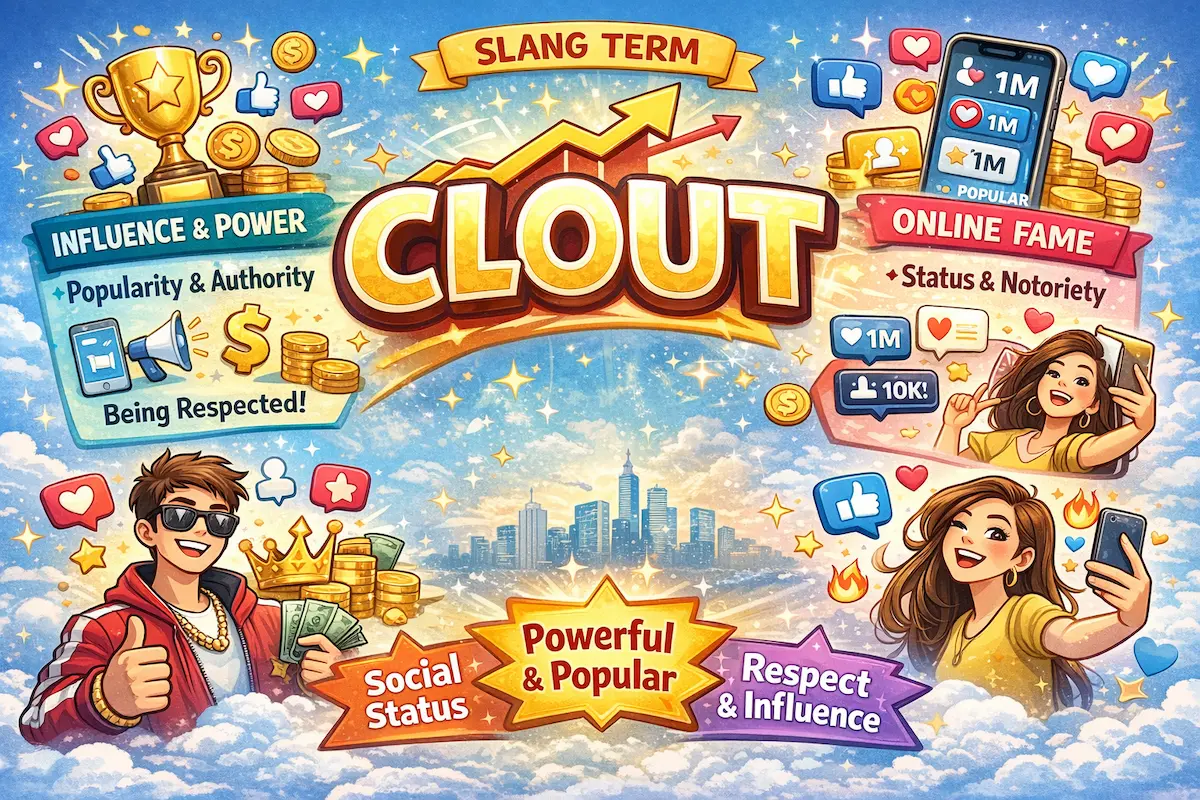
This guide explains the meaning of “clout” in social media slang, why it’s often confused with “cloud,” and how clout culture shapes online popularity. Learn how to use the term correctly, avoid clout chasing, and understand its impact in digital communities.
If you spend any time on social media, you’ve probably heard people talk about “clout”. Sometimes it’s praised. Sometimes it’s mocked. And sometimes it’s confused with the completely different word “cloud”.
Someone might say, “She’s got a lot of clout,” while another person complains, “He’s just a clout chaser.” These phrases don’t refer to technology or weather, but to something far more powerful in the digital age: online influence.
In this guide, we’ll unpack what clout really means, why people confuse it with cloud, how it became social media slang, and why chasing clout can make or break someone’s online reputation.
First Things First: Clout vs. Cloud
Let’s clear up the most basic confusion.
- Cloud → a visible mass in the sky or online data storage
- Clout → influence, power, or popularity
In slang, only clout matters. When someone says “cloud” in this context, they’re almost always spelling it wrong.
❌ He’s chasing cloud. ✅ He’s chasing clout.
The Original Meaning of “Clout”
Long before social media, clout already existed in English. Traditionally, it meant power or influence, especially political or social influence.
She has a lot of clout in the industry.
This meaning is not slang — it’s standard English. Social media simply modernized it.
How “Clout” Became Internet Slang
On platforms like Instagram, YouTube, TikTok, and X, influence is visible. Likes, shares, views, followers, and engagement metrics are public.
Over time, clout evolved to mean:
- Online popularity
- Digital influence
- Social media credibility
That creator gained clout after the video went viral.
What Does “Having Clout” Mean?
To have clout means people listen to you, trust you, or follow your lead online.
This influence can come from:
- Large follower counts
- Strong engagement
- Expertise or talent
- Reputation and consistency
She doesn’t post often, but she has serious clout.
Clout Is Not Just About Numbers
Many beginners think clout equals followers. In reality, clout is about impact.
Someone with fewer followers but high trust can have more clout than a viral account with low credibility.
What Is a “Clout Chaser”?
A clout chaser is someone who seeks attention, popularity, or influence at any cost.
This term is almost always negative.
He’s only posting that for clout.
The implication is that the person is being fake, opportunistic, or unethical.
Common Behaviors Labeled as Clout Chasing
- Starting drama for attention
- Using tragedies for engagement
- Attacking famous people to go viral
- Switching opinions to match trends
Not all visibility is bad — but clout chasing crosses an ethical line.
Clout vs. Fame
Fame is about being known. Clout is about being influential.
You can be famous without clout, and have clout without being famous.
Positive Uses of Clout
Not all clout is toxic. Many people use clout responsibly.
- Raising awareness
- Supporting social causes
- Educating audiences
- Building communities
She used her clout to promote mental health awareness.
Why “Cloud” Is the Wrong Word
The confusion often comes from pronunciation. Clout and cloud sound similar, especially for non-native speakers.
But spelling matters. Writing “cloud” instead of “clout” instantly signals unfamiliarity with the slang.
How to Use “Clout” Naturally in a Sentence
- He gained clout overnight.
- She has a lot of clout in that space.
- They’re clearly chasing clout.
When NOT to Use “Clout”
Avoid using “clout” in:
- Formal writing
- Academic papers
- Professional emails
In those contexts, use influence or authority instead.
Clout Culture in 2026
In 2026, clout culture is more self-aware. Audiences are quicker to call out inauthentic behavior.
Ironically, obvious clout chasing now often reduces clout.
Practice Test
Please answer the following questions. To see the correct answer, please click the arrow icon.
Which word means online influence?
Answer: Clout. Explanation: Cloud refers to weather or data storage.
Is “clout chaser” positive or negative?
Answer: Negative. Explanation: It criticizes attention-seeking behavior.
Can someone have clout without many followers?
Answer: Yes. Explanation: Clout is about influence, not numbers.
Should you use “clout” in formal writing?
Answer: No. Explanation: It’s informal slang.
What’s the main risk of clout chasing?
Answer: Losing credibility. Explanation: Audiences value authenticity.
Final Thoughts: Influence Over Attention
Clout isn’t just about being seen — it’s about being trusted.
Understanding this slang helps you navigate modern digital culture without sounding out of touch or careless.
And remember: if someone accuses you of chasing clout, it might be time to rethink your strategy.