What is "Gatekeeping"? Why Sharing Sources is a Digital Rule
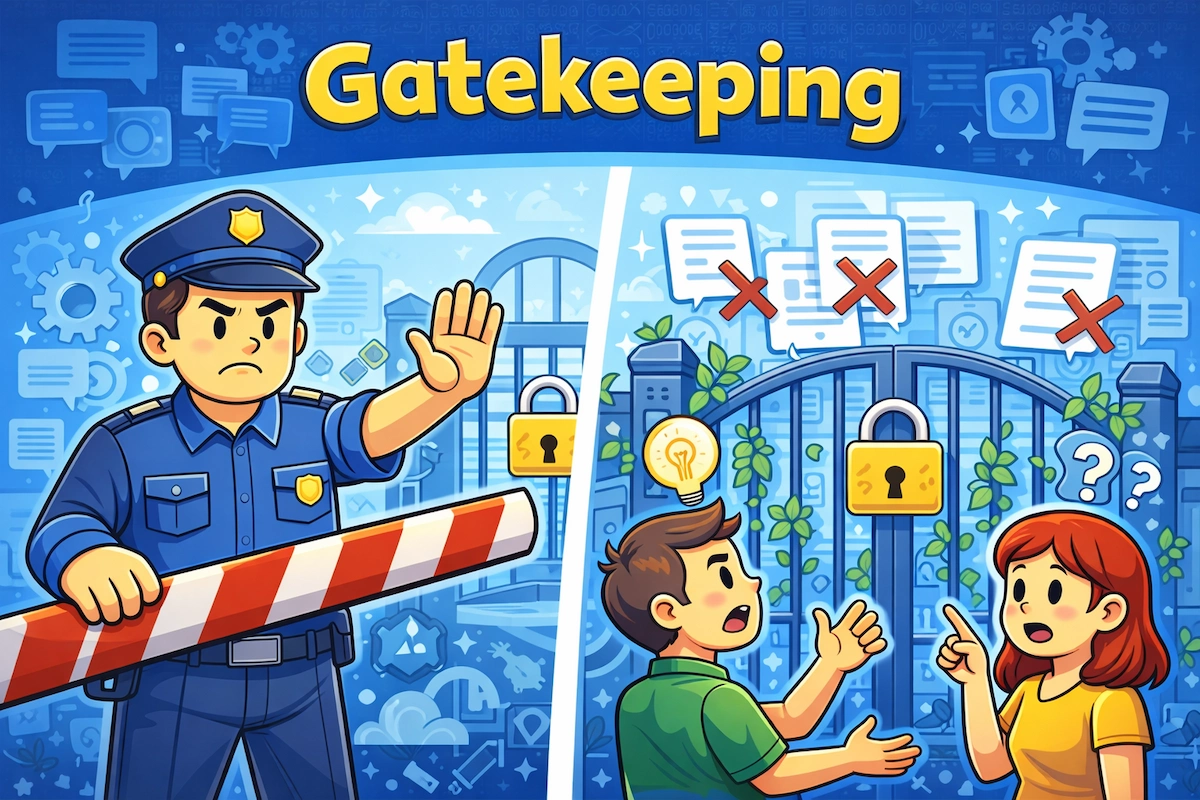
This Social Media Slang usage guide explains what “gatekeeping” means online, how it appears in comments and trends, and why refusing to share sources is often criticized. Learn the difference between gatekeeping and privacy, and why openness builds trust in digital communities.
If you spend any time on social media, chances are you’ve seen the word “gatekeeping” used in comments, tweets, or viral posts. Sometimes it’s said jokingly, sometimes aggressively, and sometimes as a serious accusation. But what does gatekeeping actually mean in the digital world?
In simple terms, gatekeeping happens when someone controls access to information, trends, or resources — and refuses to share them with others. On social media, this behavior is often criticized, especially in communities built around learning, creativity, or shared interests.
In this usage guide, we’ll break down what “gatekeeping” really means, how it’s used as slang online, why it’s usually viewed negatively, and why sharing sources has become an unspoken digital rule across platforms.
What Does “Gatekeeping” Mean?
Originally, gatekeeping referred to the act of controlling access to something — literally deciding who gets in and who stays out. Over time, the term evolved and entered online culture, where it took on a broader and more social meaning.
In social media slang, gatekeeping means intentionally withholding information, resources, or opportunities that others are asking for — often to feel superior, exclusive, or more knowledgeable.
People keep asking where she got the template, but she’s gatekeeping the source in the comments.
The key idea is control. The gatekeeper decides who deserves access and who doesn’t, even when sharing would be easy and harmless.
How Gatekeeping Shows Up on Social Media
Gatekeeping doesn’t always look dramatic. In fact, it often appears in subtle, everyday interactions across platforms like TikTok, Instagram, X, and Reddit.
Some common examples include:
- Refusing to share where a product was bought
- Ignoring repeated questions about tools or sources
- Giving vague answers like “I’ll DM you” but never doing it
- Claiming information is “secret” or “not for everyone”
While some people gatekeep unintentionally, others do it deliberately to maintain a sense of uniqueness or authority.
Why People Gatekeep Online
To understand why gatekeeping is criticized, it helps to understand why people do it in the first place. Most gatekeeping isn’t about being mean — it’s about psychology.
One major reason is identity. If someone built their online persona around being “the one who knows,” sharing sources may feel like losing value.
If everyone knows the editing app I use, what makes my content special?
Other reasons include fear of competition, desire for exclusivity, or simply not wanting to deal with repeated questions. Still, intention doesn’t always change perception.
Why Gatekeeping Is Usually Viewed Negatively
On modern social media, communities thrive on openness. Tutorials, threads, and comment sections are built around sharing knowledge quickly and freely.
When someone gatekeeps, it disrupts that culture. It creates a sense of hierarchy — insiders versus outsiders — which clashes with the collaborative nature of most online spaces.
The comments turned against him once people realized he was gatekeeping basic info.
As a result, being labeled a “gatekeeper” is rarely a compliment. It suggests selfishness, insecurity, or lack of community awareness.
Gatekeeping vs. Privacy: Knowing the Difference
Not every refusal to share is gatekeeping. This is where context matters.
Gatekeeping is about controlling access unnecessarily. Privacy, on the other hand, is about protecting personal boundaries.
Not sharing a private mentor’s contact is privacy — not gatekeeping.
Online, problems arise when creators blur this line or use privacy as an excuse to maintain exclusivity over public, harmless information.
Why Sharing Sources Is a Digital Rule
Across social platforms, there’s an unspoken expectation: if someone asks for a source, you share it — especially when the information isn’t sensitive or personal.
This expectation developed because social media rewards transparency. Sharing sources builds trust, credibility, and goodwill.
She gained more followers just by openly sharing all her tools and resources.
In contrast, gatekeeping often leads to backlash, negative comments, or loss of engagement.
Common Phrases Related to Gatekeeping
Gatekeeping often appears alongside other social media slang. You may see phrases like:
- “Why are you gatekeeping?”
- “Stop gatekeeping the source.”
- “This info shouldn’t be gatekept.”
- “Gatekeeping basic knowledge is wild.”
These phrases are usually direct and critical, reflecting how strongly the community feels about information sharing.
When Gatekeeping Backfires
Ironically, gatekeeping often produces the opposite effect of what people want. Instead of appearing exclusive or impressive, the gatekeeper may seem insecure or unhelpful.
In many cases, someone else eventually shares the same information — and gains positive attention for doing so.
Someone else dropped the link, and suddenly everyone followed them instead.
This reinforces the idea that generosity often performs better than secrecy online.
How to Avoid Being Seen as a Gatekeeper
If you’re a content creator or active user, avoiding gatekeeping is surprisingly simple.
- Share sources when they’re public and safe
- Save common answers in highlights or pinned comments
- Be honest if you can’t share something
- Acknowledge questions instead of ignoring them
Even a short explanation can prevent misunderstandings and keep your audience on your side.
Final Thoughts: Gatekeeping in the Age of Sharing
In social media slang, gatekeeping is more than just a word — it’s a judgment about how someone treats their community. In a digital culture built on sharing, refusing to share often sends the wrong message.
Understanding what gatekeeping means helps you navigate online conversations more confidently. It also reminds us that information grows in value when it’s shared, not hidden.
In today’s digital world, sharing sources isn’t just polite — it’s part of the culture.