Usage Guide
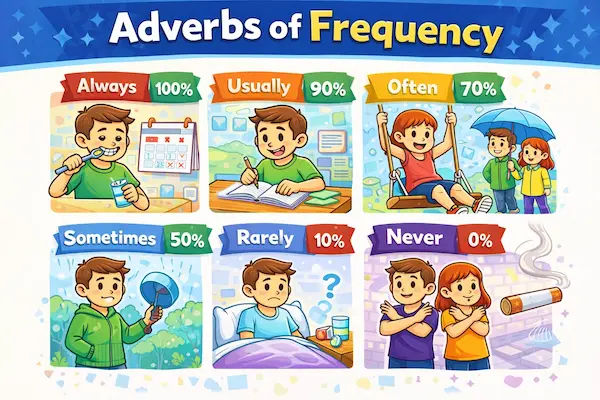
8 Patterns for "Adverbs of Frequency" (Where Do They Go?)
This Sentence Patterns usage guide explains where adverbs of frequency like always, usually, often, and never belong. Learn eight practical sentence patterns wi...
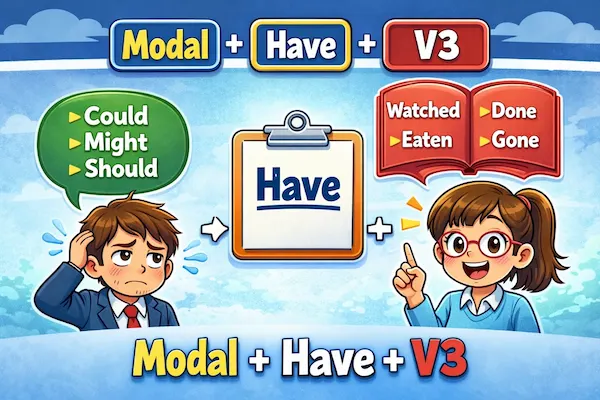
How to Use "Modal + Have + V3" to Talk About Past Regrets
This Sentence Patterns usage guide explains how “modal + have + V3” works in English. Learn how to use “should have,” “could have,” and “must have...
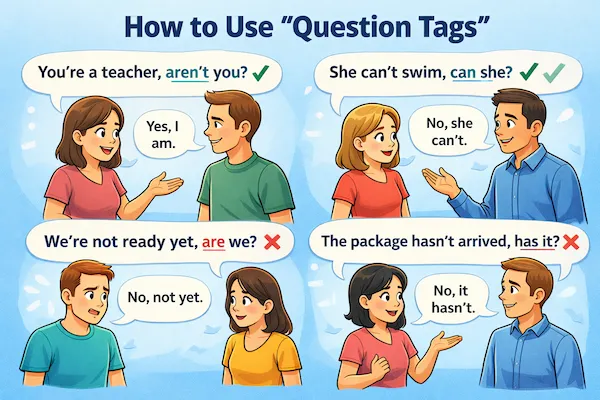
How to Use "Question Tags" to Keep Any Conversation Going
This sentence-patterns guide explains how to use question tags like “isn’t it?” to keep English conversations going. Learn tag structure, intonation, and ...
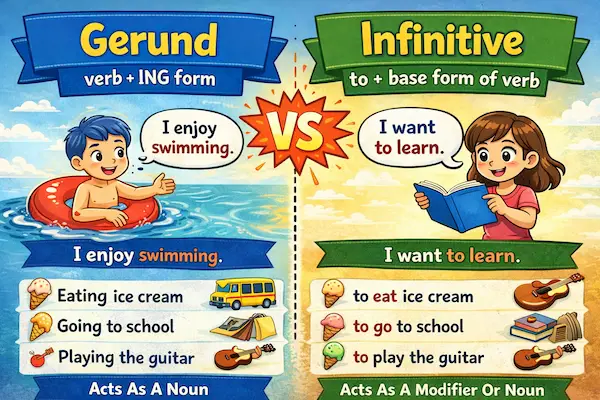
5 "Gerund vs. Infinitive" Patterns That Change the Meaning Completely
This guide explains five gerund vs infinitive patterns where meaning changes completely. Learn the difference between forms like “stop doing” and “stop to...

Palate vs. Palette vs. Pallet: Don’t Let These Three Trip You Up
This Confusing Words usage guide explains the difference between palate, palette, and pallet. Learn what each word means, how it’s used in real sentences, com...