How to Politely Ask for a Refund or Exchange in a Store
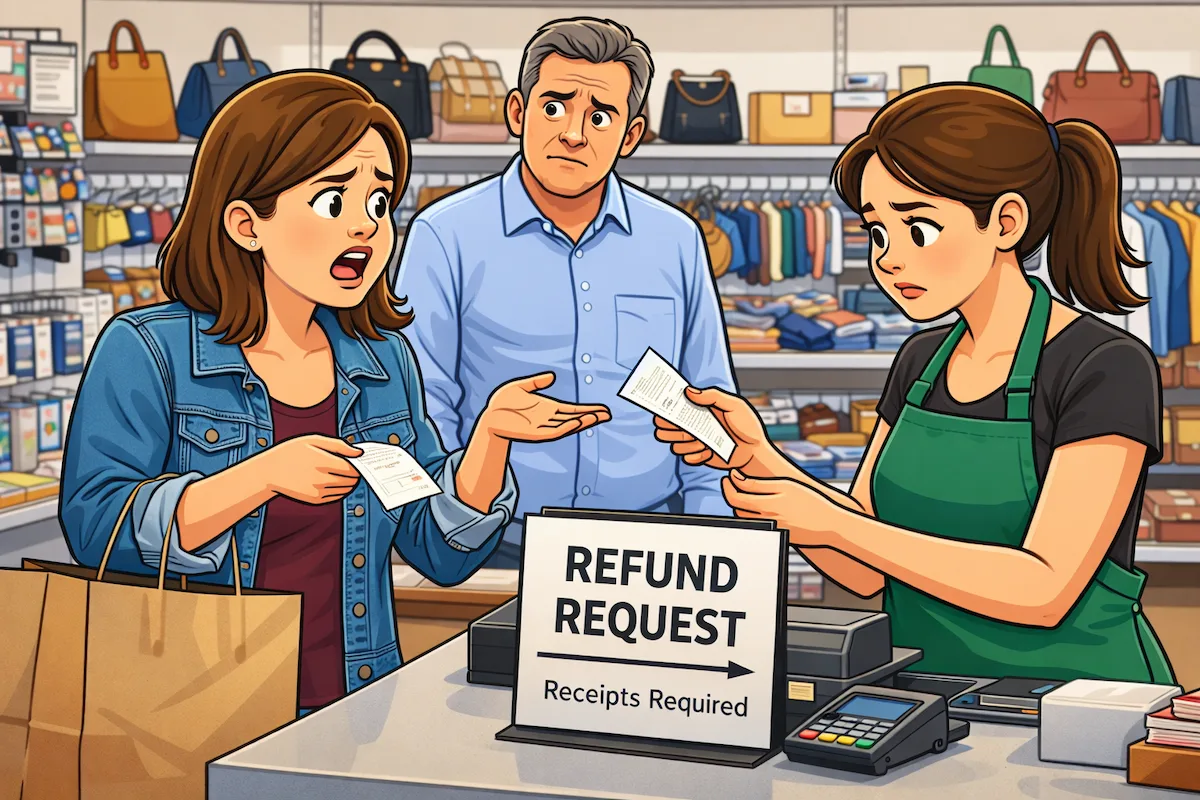
This daily conversations guide teaches polite and natural English phrases for asking for refunds or exchanges in stores. Learn how to explain problems calmly, request help respectfully, and handle store policies with confidence in real-life shopping situations.
Returning an item or asking for an exchange can feel uncomfortable — especially in a foreign language. You may know what went wrong with the product, but finding the right words to explain the problem politely can be stressful.
The good news is that English has many soft, respectful ways to ask for a refund or exchange without sounding rude, angry, or demanding. In fact, polite phrasing often increases your chances of getting help quickly.
In this daily conversation guide, you’ll learn practical English phrases for asking for refunds and exchanges in stores. We’ll cover tone, structure, real-life examples, and cultural expectations so you can handle these situations calmly and confidently.
Why Politeness Matters When Asking for a Refund
In English-speaking cultures, politeness is closely tied to cooperation. Even when you are clearly entitled to a refund, the way you ask can shape the response you receive.
I want a refund. vs. I was wondering if I could get a refund.
Both sentences communicate the same request, but the second sounds calmer, more respectful, and more likely to get a positive response.
Start with a Polite Opening
Most successful refund conversations begin with a soft opening.
Excuse me, could you help me with something?
This signals that you’re asking for assistance, not making a complaint.
Explaining the Problem Calmly
After the opening, briefly explain what went wrong.
I bought this yesterday, but it doesn’t seem to be working properly.
Keep the explanation factual and short. Avoid emotional language unless absolutely necessary.
Common Problems You Might Mention
- The item is broken
- The size doesn’t fit
- The product is defective
- You received the wrong item
The zipper is broken, and I noticed it as soon as I got home.
Asking for a Refund Politely
Once the issue is clear, you can ask for a refund using indirect language.
Would it be possible to get a refund for this?
This phrasing sounds respectful and gives the staff room to respond.
Alternative Refund Phrases
I was hoping I could get a refund. Is there any chance I could return this? Could you let me know if a refund is possible?
These variations help you sound natural rather than repetitive.
Asking for an Exchange Instead
Sometimes you don’t want your money back — you just want a different item.
Could I exchange this for a different size?
This is often easier for stores and may be offered automatically.
Exchange Phrases That Sound Natural
Is it possible to exchange this for another color? Could I swap this for the same item in a different size?
The verb exchange sounds more formal, while swap sounds casual.
When You Have the Receipt
Having a receipt makes the conversation smoother.
I have the receipt here if that helps.
This signals cooperation and preparedness.
When You Don’t Have the Receipt
Even without a receipt, polite language still helps.
I don’t have the receipt, but I purchased it here yesterday.
Avoid sounding defensive — just state the facts.
Understanding Store Policies
Sometimes staff need to explain store rules.
I understand if there’s a policy about returns.
This shows respect for their position and reduces tension.
If the Answer Is No
Even if your request is denied, staying polite keeps the interaction positive.
I see. Thank you for explaining that.
Calm responses often lead to alternative solutions being offered.
Escalating Politely
If needed, you can ask to speak with a manager — politely.
Would it be okay to speak with a manager about this?
Avoid confrontational phrasing.
Refunds vs Exchanges: Tone Differences
Refund → sounds final Exchange → sounds flexible
When unsure, start by asking about an exchange.
Common Mistakes to Avoid
- Using “I want” instead of polite requests
- Raising your voice
- Over-explaining
- Sounding sarcastic
Cultural Tip: Calm Beats Aggressive
In many English-speaking countries, calm persistence works better than anger.
A friendly tone often leads to better outcomes.
Practice Test
Please answer the following questions. To see the correct answer, please click the arrow icon.
Which phrase sounds more polite: “I want a refund” or “I was hoping for a refund”?
Answer: I was hoping for a refund. Explanation: Indirect phrasing sounds more respectful.
What should you say first when approaching store staff?
Answer: A polite opening like “Excuse me.” Explanation: It signals cooperation.
Which is usually easier for stores: a refund or an exchange?
Answer: An exchange. Explanation: It keeps the sale within the store.
Is it okay to ask for a manager politely?
Answer: Yes. Explanation: Polite escalation is acceptable.
Why These Phrases Improve Daily Confidence
Knowing what to say removes anxiety from everyday situations.
Once these phrases become familiar, asking for a refund feels routine rather than stressful.
Final Thoughts: Polite English Gets Results
Asking for a refund or exchange doesn’t have to feel awkward.
With calm explanations, polite requests, and respectful tone, you can handle these situations smoothly — and sound confident doing it.